

The Golden Gate bridge is one of the most recognizable bridges in the world. It is a suspension bridge that was completed in 1937, connecting San Francisco to Marin County in California. Engineers had to design the bridge to withstand the strong forces of the bay’s water, heavy winds from the sea, earthquakes, and massive traffic. It efficiently combines structural effectiveness and strength with a striking design that is a symbol for the San Francisco Bay Area.
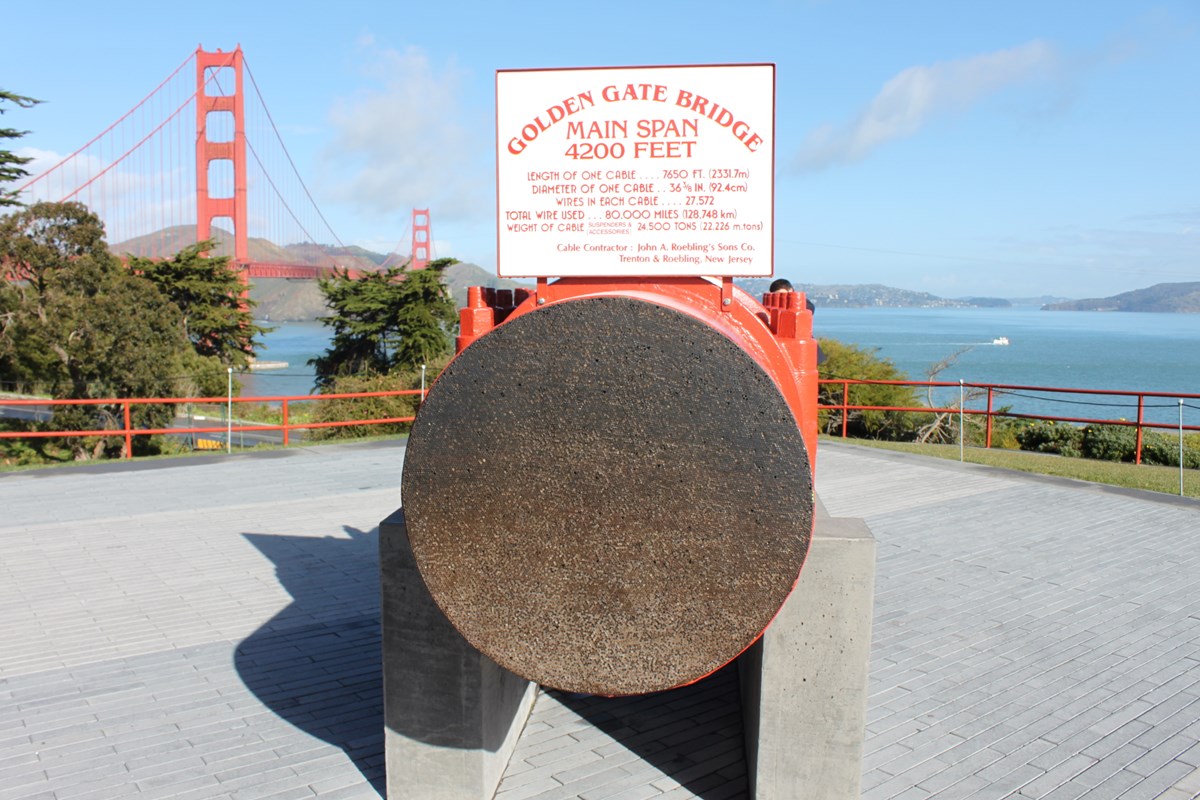
The Golden Gate is a suspension bridge. Its roadway is supported by large steel cables that hang from the frame of the bridge, eliminating the need for frequent supports in the middle of the water. It spans about 4,200 feet across the bay, making it the largest suspension bridge when it opened in 1937. One of its most distinctive features are the unique towers on each side of the bridge. They rise about 740 feet above the water and are made from structural steel, allowing it to resist tension forces from the wind and waves. The roadway is made from a steel truss deck. This allows the bridge to remain largely stiff, while allowing some flexing to prevent cracks and damage. Two main steel cables support the entire bridge
Its unique color was a design choice that ultimately made it an icon today. Its International Orange cuts through the frequent fog that surrounds San Francisco, allowing it to still be visible. It also complemented the surrounding landscape, helping it stand out in a way that is memorable for whomever sees it. It design shows how architecture and structural engineering can go hand in hand with design, keeping the bridge strong and functional while not sacrificing on its appearance. Its unique design allows it to serve millions of travelers and be one of the world’s most recognizable landmarks today.

Leave a Reply