

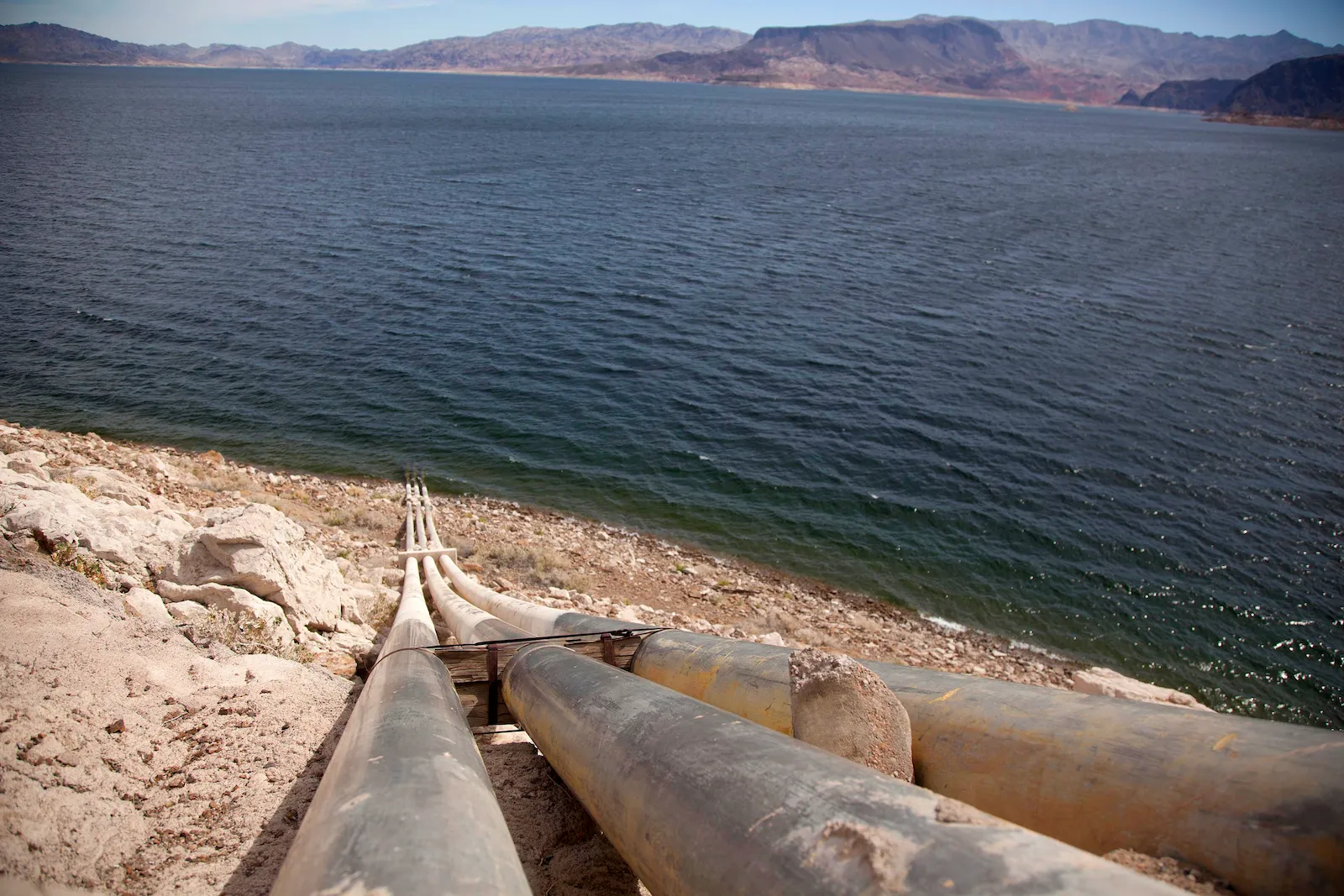
Everyday, we use clean drinking water and wastewater systems that provide us with water from reservoirs and come straight to our house. Engineers create pipelines that are able to carry massive amounts of water across large distances without risking leaks. They must calculate the correct pipe diameter, pressure, flow rates, and other factors to make sure the pipes are able to function perfectly.
First, they find out what the water consumption needs are. This allows them to calculate the necessary flow rates. They use fluid dynamics equations to make sure the flow doesn’t exceed the consumption of the area, or the pipe could overfill and cause damage. Then, they select the appropriate materials to construct the pipe out of. Based on the corrosiveness of the water, pressure of the flow, and temperature, they select a material that would best resist damage from these conditions while keeping costs relatively cheap. Engineers draft the detailed plans and test the materials to make sure they can safely withstand damaging factors. Finally, installation begins with excavation and then installation of the pipes and connecting those to components like sinks and toilets.
Reservoirs are a key part of this system. They are artificial lakes created by damming a river, and then excavating the land around them. All drinking water comes from freshwater reservoirs that allow for the storage of water on a large scale. Pipes utilize pumps or even gravity to transport water from reservoirs all the way to residential neighborhoods.
Sometimes, they face challenges that make installation and planning harder. Some urban areas are built on extreme terrain like mountains. In California, civil engineers also must account for earthquakes. Constant repair is required for pipes, whether due to natural disasters like floods and earthquakes, or just general wear and tear from constant use. Reliable pipeline systems are important parts of communities, supplying necessary resources to residential and commercial areas that allow people to thrive in those spaces.



Leave a Reply
Your email is safe with us.